НОМИНАЦИИ
Подводный мир огромен и разнообразен, поэтому мы выделили ключевые номинации, охватывающие самые интересные и популярные темы.
ПРИНЯТЬ УЧАСТИЕФотограф года
Среди всех авторов, чьи работы прошли в финал, жюри выбирает одного победителя. Титул «Фотограф года» присуждается по итогам общего впечатления от поданных работ и уровня мастерства автора.
Широкий угол
Фотографии с широким углом обзора, передающие масштаб и глубину подводного пространства. В номинации принимаются снимки, сделанные широкоугольными объективами, включая fisheye. Главный акцент — ощущение пространства и захватывающая перспектива подводного мира.
Приз
Сертификат на утеплитель для сухого костюма

Разрешено
– Фотографии подводных сцен, снятые широкоугольными объективами, включая fisheye.
– Сюжеты, передающие масштаб, глубину и простор подводного пространства: рифы, арки, каньоны, крупные стаи рыб, большие животные.
– Использование естественного или искусственного света, если он не нарушает ощущение пространства.
– Сюжеты, передающие масштаб, глубину и простор подводного пространства: рифы, арки, каньоны, крупные стаи рыб, большие животные.
– Использование естественного или искусственного света, если он не нарушает ощущение пространства.
Запрещено
– Фотографии, выполненные на макро, теле- или стандартные объективы, без характерного широкоугольного эффекта.
– Кадры, в которых отсутствует ощущение масштаба или глубины, либо композиция не предполагает широкого угла обзора.
– Снимки, где основной акцент — отдельный объект или крупный портрет без окружающей среды.
– Кадры, в которых отсутствует ощущение масштаба или глубины, либо композиция не предполагает широкого угла обзора.
– Снимки, где основной акцент — отдельный объект или крупный портрет без окружающей среды.
Макро
Крупные планы небольших подводных существ и выразительные детали морского мира. В номинации принимаются снимки, раскрывающие красоту мелких форм, фактур и нюансов, которые обычно остаются незаметными невооруженным глазом.
Приз
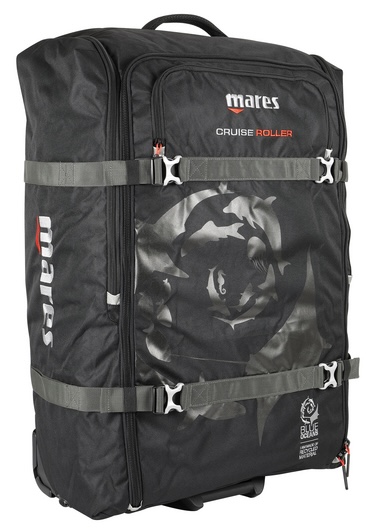
Сумка Mares Cruise Backpack Roller 128 л

Разрешено
– Крупные планы мелких подводных организмов: беспозвоночных, рыбок малого размера, личинок, голожаберников, креветок, крабиков и других микрообитателей.
– Детальные снимки структур, фактур и мелких элементов подводного мира: полипы, текстуры кораллов, глаза, узоры, щупальца.
– Макросъёмка с использованием макрообъективов или насадок, позволяющих фиксировать мелкие детали в высоком увеличении.
– Акцент на нюансах, цветах, микроформах, которые сложно разглядеть невооружённым глазом.
– Детальные снимки структур, фактур и мелких элементов подводного мира: полипы, текстуры кораллов, глаза, узоры, щупальца.
– Макросъёмка с использованием макрообъективов или насадок, позволяющих фиксировать мелкие детали в высоком увеличении.
– Акцент на нюансах, цветах, микроформах, которые сложно разглядеть невооружённым глазом.
Запрещено
– Снимки средних и крупных объектов, не требующих макроувеличения.
– Кадры, где объект слишком мал в кадре и отсутствует ощущение макросъёмки или крупного плана.
– Кадры, где объект слишком мал в кадре и отсутствует ощущение макросъёмки или крупного плана.
Подводные обитатели и поведение животных
Редкие и выразительные моменты из жизни подводных существ. В номинации принимаются фотографии, демонстрирующие уникальное поведение животных: охоту, размножение, взаимодействие между видами. Допустимы как макро-снимки, так и кадры, сделанные на широкоугольную оптику.
Приз
Дайвинг-день (2 погружения) в любом из дайвинг-центров RuDIVE (кроме Северного полюса)

Разрешено
– Фотографии, демонстрирующие поведение подводных животных: охота, кормление, размножение, защита территории, забота о потомстве.
– Кадры взаимодействия между видами: симбиоз, конкуренция, хищник–жертва, очистительные станции и прочие естественные сценарии.
– Использование как макро, так и широкоугольной оптики, если поведение животных является главным содержанием кадра.
– Съёмка одиночных или групповых сцен, в которых чётко читается момент действия или взаимодействия.
– Кадры взаимодействия между видами: симбиоз, конкуренция, хищник–жертва, очистительные станции и прочие естественные сценарии.
– Использование как макро, так и широкоугольной оптики, если поведение животных является главным содержанием кадра.
– Съёмка одиночных или групповых сцен, в которых чётко читается момент действия или взаимодействия.
Запрещено
– Фотографии статичных животных без признаков поведения или взаимодействия.
– Кадры, в которых основной акцент — портрет или общий вид животного, но не действие.
– Снимки, полученные путём вмешательства в поведение животных: провокация, подталкивание, пересадка, кормление и любые неэтичные методы.
– Фото, где животные показаны в стрессовых ситуациях из-за действий фотографа или дайвера.
– Кадры, в которых основной акцент — портрет или общий вид животного, но не действие.
– Снимки, полученные путём вмешательства в поведение животных: провокация, подталкивание, пересадка, кормление и любые неэтичные методы.
– Фото, где животные показаны в стрессовых ситуациях из-за действий фотографа или дайвера.
На одном вдохе
Мы с большим уважением относимся к культуре фридайвинга и знаем, что внутри этого сообщества много и с удовольствием снимают друг друга под водой — красоту тела, пластику движения, работу с дыханием и формой. Такие работы нам близки, и мы с радостью принимаем их к участию.
При этом, поскольку конкурс является конкурсом природной фотографии, в кадре обязательно должна быть ясно читаема природная водная среда — океан, море, озеро или иная естественная акватория.
При этом, поскольку конкурс является конкурсом природной фотографии, в кадре обязательно должна быть ясно читаема природная водная среда — океан, море, озеро или иная естественная акватория.
Приз
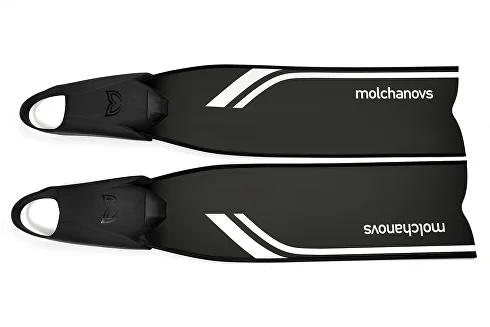
Стеклотекстолитовые биласты SPORT Bifins 3 Fiberglass

Разрешено
– Фотографии, сделанные исключительно на задержке дыхания: во время снорклинга, фридайвинга или плавания у поверхности.
– Съёмка с использованием естественного света, отражений, бликов и динамики, характерной для свободного погружения.
– Сцены с телесной пластикой, движением воды, взаимодействием с пространством и моментами, невозможными при работе с аквалангом.
– Любые сюжеты (широкий угол, макро, морская жизнь), если они сняты на одном дыхании и сохраняют характерную лёгкость и живость момента.
– Съёмка с использованием естественного света, отражений, бликов и динамики, характерной для свободного погружения.
– Сцены с телесной пластикой, движением воды, взаимодействием с пространством и моментами, невозможными при работе с аквалангом.
– Любые сюжеты (широкий угол, макро, морская жизнь), если они сняты на одном дыхании и сохраняют характерную лёгкость и живость момента.
Запрещено
– Фотографии, выполненные с использованием любого дыхательного оборудования: акваланг, ребризер, минибаллоны и т.п.
– Кадры, где по очевидным признакам съёмка велась с баллоном (пузыри, элементы снаряжения, положение тела).
– Кадры, полностью лишённые свойственной фридайвингу динамики и естественности, даже если формально сняты без акваланга.
– Крупные портреты, где природная среда не играет значимой роли
– Фотографии, снятые в бассейнах или иных искусственных условиях
– Кадры, где по очевидным признакам съёмка велась с баллоном (пузыри, элементы снаряжения, положение тела).
– Кадры, полностью лишённые свойственной фридайвингу динамики и естественности, даже если формально сняты без акваланга.
– Крупные портреты, где природная среда не играет значимой роли
– Фотографии, снятые в бассейнах или иных искусственных условиях
Арт
Фотографии, в которых подводный мир становится художественным образом. Необычные ракурсы, отражения, световые эффекты, мультиэкспозиция, творческие инсталляции, созданные самим фотографом — всё, что позволяет увидеть океан иначе.
Приз
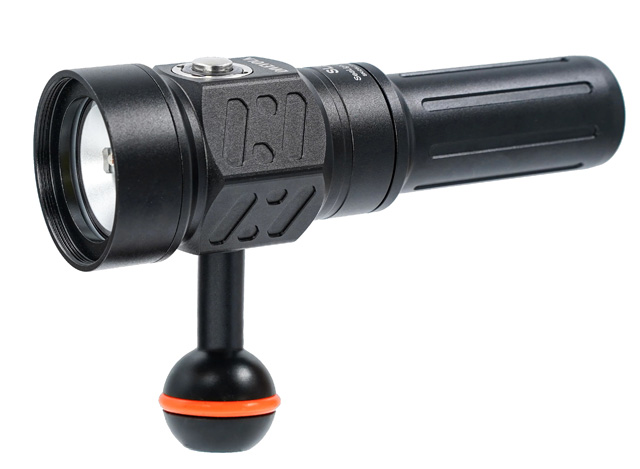
Подводный свет Dive Light 2000 lumen SL20 for Underwater Photography

Разрешено
– Творческие подводные фотографии, использующие нестандартные ракурсы, оптические эффекты, отражения, игру света и тени.
– Мультиэкспозиция, творческие инсталляции, элементы искусственной композиции, созданные самим автором (если они не вредят природе и живым организмам).
– Эксперименты с абстракцией, цветом, формой, движением воды, а также художественные приёмы, меняющие восприятие привычных подводных сцен.
– Любая подводная съёмка (макро, широкий угол, поведение), если её ключевая задача — художественная интерпретация, а не документальность.
– Мультиэкспозиция, творческие инсталляции, элементы искусственной композиции, созданные самим автором (если они не вредят природе и живым организмам).
– Эксперименты с абстракцией, цветом, формой, движением воды, а также художественные приёмы, меняющие восприятие привычных подводных сцен.
– Любая подводная съёмка (макро, широкий угол, поведение), если её ключевая задача — художественная интерпретация, а не документальность.
Запрещено
– Фотографии, где отсутствует творческая составляющая и кадр представляет собой обычную документальную фиксацию подводной сцены.
– Сильные цифровые манипуляции, приводящие к неестественному изменению объектов, добавлению элементов, которых не было в кадре, либо искажению реального подводного мира до уровня фантазии.
– Инсталляции или постановки, созданные с вмешательством в природу: перемещение живых организмов, повреждение кораллов, воздействие на поведение животных.
– Снимки, полностью собранные из несвязанных изображений без соблюдения принципов честной фотографии (композитные сцены из разных мест и времени).
– Сильные цифровые манипуляции, приводящие к неестественному изменению объектов, добавлению элементов, которых не было в кадре, либо искажению реального подводного мира до уровня фантазии.
– Инсталляции или постановки, созданные с вмешательством в природу: перемещение живых организмов, повреждение кораллов, воздействие на поведение животных.
– Снимки, полностью собранные из несвязанных изображений без соблюдения принципов честной фотографии (композитные сцены из разных мест и времени).
Окружающая среда и экология
Снимки, обращающие внимание на красоту и хрупкость водной среды, а также на экологические проблемы. В кадре могут быть как примеры загрязнения, так и истории восстановления экосистем. Оценивается не только визуальная сила кадра, но и его экологический посыл.
Приз
Скидка 20% на любой яхтенный тур на Камчатке и памятные сувениры от российского природоохранного фонда “Природа и Люди” (бутылка с китом и шоппер с песцом)

Разрешено
– Фотографии, показывающие красоту, хрупкость и уязвимость водных экосистем: рифы, леса ламинарии, морские травы, места обитания животных.
– Сцены, отражающие экологические проблемы: загрязнение, пластик, разрушение рифов, последствия человеческой деятельности.
– Документальные истории восстановления природы: искусственные рифы, очистка акваторий, возвращение видов, успешные проекты по сохранению и восстановлению экосистем.
– Съёмка любых масштабов (макро, широкий угол, поведение), если экологический смысл кадра является ключевым.
– Сцены, отражающие экологические проблемы: загрязнение, пластик, разрушение рифов, последствия человеческой деятельности.
– Документальные истории восстановления природы: искусственные рифы, очистка акваторий, возвращение видов, успешные проекты по сохранению и восстановлению экосистем.
– Съёмка любых масштабов (макро, широкий угол, поведение), если экологический смысл кадра является ключевым.
Запрещено
– Фотографии, не имеющие экологического содержания и не несущие идеи о состоянии или красоте водной среды.
– Кадры, где экологическая проблема создана искусственно фотографом (например, преднамеренное размещение мусора в кадре).
– Сцены, предполагающие вмешательство в природу, вред животным или разрушение среды ради “эффектного” кадра.
– Фото, полностью лишённые визуальной или смысловой связи с водной экосистемой.
– Кадры, где экологическая проблема создана искусственно фотографом (например, преднамеренное размещение мусора в кадре).
– Сцены, предполагающие вмешательство в природу, вред животным или разрушение среды ради “эффектного” кадра.
– Фото, полностью лишённые визуальной или смысловой связи с водной экосистемой.
Фото на мобильные устройства
Участвуют работы, снятые на смартфоны, GoPro, Insta360 и аналогичные устройства. В этой категории мы выделим сразу три лучших снимка.
Приз
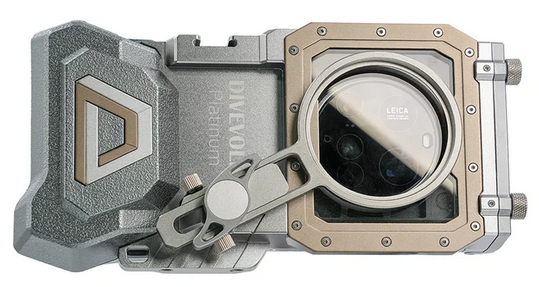
SeaTouch 4 Max Platinum Underwater Touchscreen Housing for Smartphone
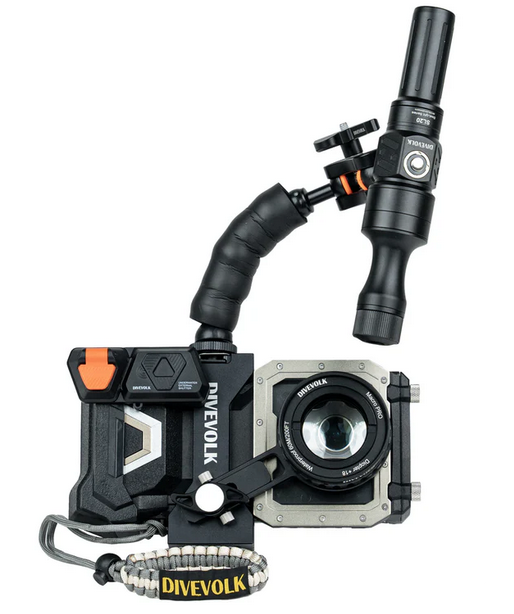
SeaTouch 4 MAX PLUS Underwater Advance Macro kit for iPhone and most Android, macro photography dive housing
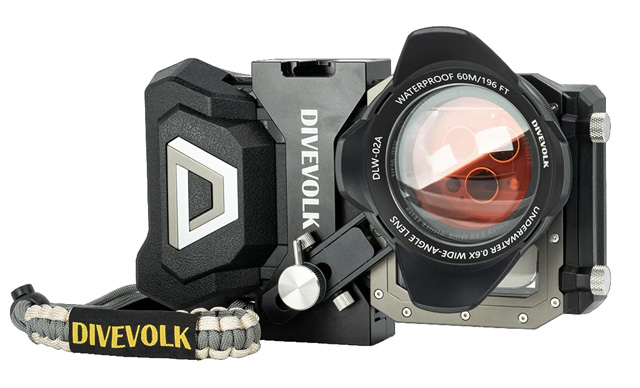
SeaTouch 4 Max Plus Underwater housing Ocean Kit for iPhone and most Android samrtphone, dive housing, waterproof phonecase
Разрешено
– Фотографии, сделанные на смартфоны, экшн-камеры и компактные мобильные устройства: GoPro, Insta360, DJI Osmo и аналогичные модели.
– Использование стандартных мобильных функций: широкоугольный режим, RAW-съёмка, ночной режим, встроенная стабилизация, съёмка через мобильный бокс или подводный кейс.
– Умеренная обработка в мобильных приложениях, если она не превращает кадр в неестественный или искусственный.
– Использование стандартных мобильных функций: широкоугольный режим, RAW-съёмка, ночной режим, встроенная стабилизация, съёмка через мобильный бокс или подводный кейс.
– Умеренная обработка в мобильных приложениях, если она не превращает кадр в неестественный или искусственный.
Запрещено
– Фотографии, снятые на профессиональные камеры: зеркальные, беззеркальные, компактные продвинутые модели и любые устройства со сменной оптикой.
– Фото, полностью собранные из нескольких изображений или чрезмерно обработанные, когда мобильное происхождение кадра неочевидно.
– Снимки, сделанные на устройства, не предназначенные для мобильной съёмки и не относящиеся к категории компактных экшн-камер.
– Фото, полностью собранные из нескольких изображений или чрезмерно обработанные, когда мобильное происхождение кадра неочевидно.
– Снимки, сделанные на устройства, не предназначенные для мобильной съёмки и не относящиеся к категории компактных экшн-камер.
Россия
Подводные пейзажи России во всей своей масштабности. Снимки с широкой перспективой, сделанные в морях, озёрах и реках нашей страны. Допускаются кадры, передающие глубину, пространство и атмосферу российских вод.
Приз
Сертификат на утеплитель для сухого костюма

Разрешено
– Подводные пейзажи, снятые исключительно на территории России: моря, озёра, реки, водохранилища, природные источники.
– Снимки с широкой перспективой, передающие масштаб, глубину, пространство и характер российских вод.
– Фотографии, в которых читается атмосфера места: прозрачность, плотность воды, цвет, особенности ландшафта.
– Сюжеты с природными элементами: рельеф, водоросли, коряги, камни, льды, подводные склоны и другие формы, свойственные российским водоёмам.
– Снимки с широкой перспективой, передающие масштаб, глубину, пространство и характер российских вод.
– Фотографии, в которых читается атмосфера места: прозрачность, плотность воды, цвет, особенности ландшафта.
– Сюжеты с природными элементами: рельеф, водоросли, коряги, камни, льды, подводные склоны и другие формы, свойственные российским водоёмам.
Запрещено
– Фотографии, сделанные за пределами России, даже если визуально они могли бы быть похожи.
– Кадры без выраженного пейзажного акцента: крупные планы животных, макро-съёмка, портреты без связи с пейзажем. Такие кадры помещайте в общие номинации.
– Снимки, в которых не ощущается пространство или масштаб, и кадр не передаёт особенности именно российских подводных мест.
– Излишне обработанные фотографии, где теряется естественный вид и характер водоёма.
– Кадры без выраженного пейзажного акцента: крупные планы животных, макро-съёмка, портреты без связи с пейзажем. Такие кадры помещайте в общие номинации.
– Снимки, в которых не ощущается пространство или масштаб, и кадр не передаёт особенности именно российских подводных мест.
– Излишне обработанные фотографии, где теряется естественный вид и характер водоёма.